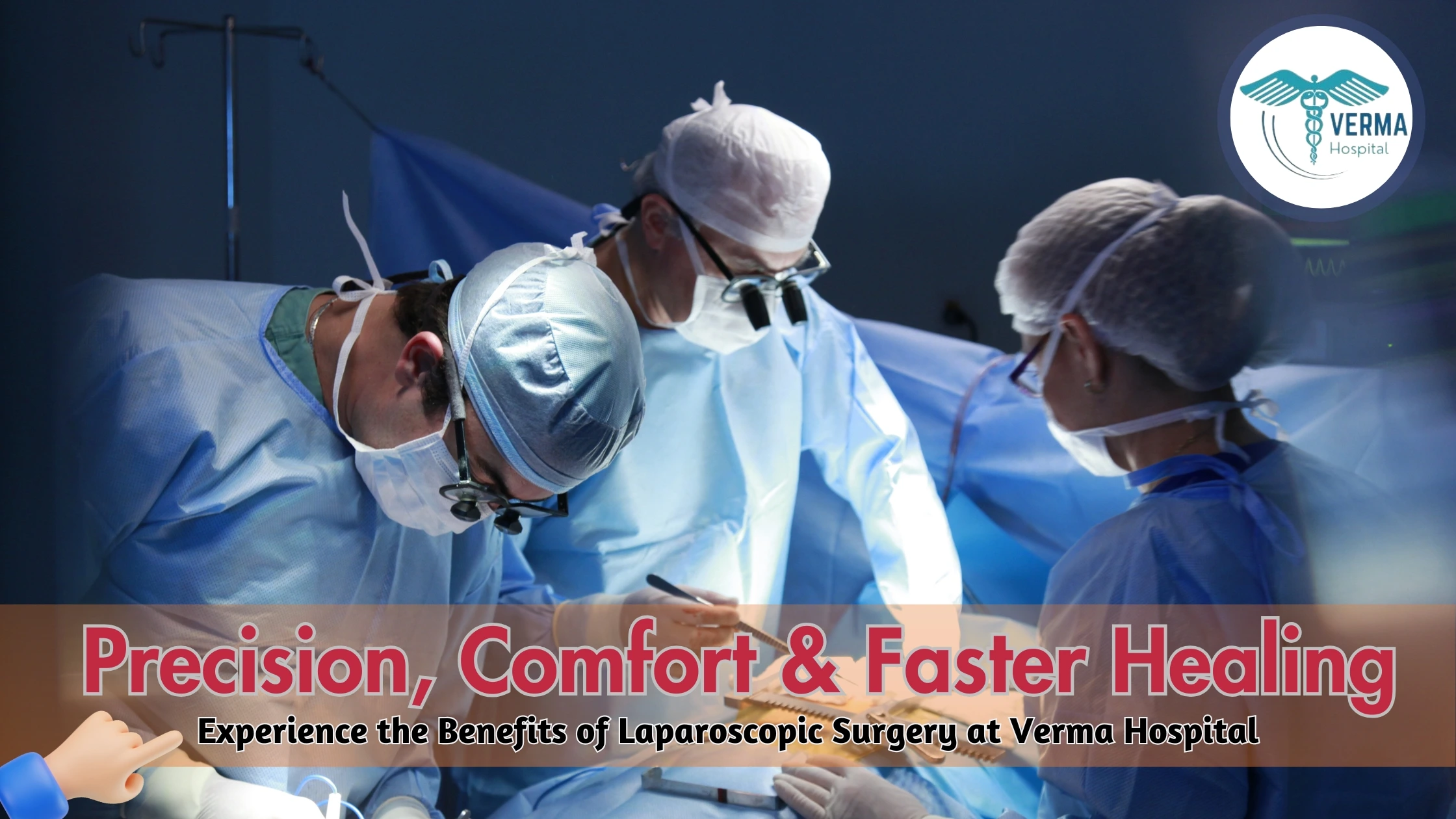
Laparoscopic Surgery: A Minimally Invasive Solution for Faster Recovery
Laparoscopic surgery, sometimes referred to as keyhole surgery or minimally invasive surgery (MIS), is a cutting-edge medical technique that has revolutionized surgical procedures. Laparoscopic surgery has smaller incisions than the norm for open surgery, meaning less discomfort, a faster recovery, and less scarring. It examines the benefits, risks, techniques, and post-operative care of laparoscopic surgery.
Laparoscopic surgery: What is it?
When performing laparoscopic surgery, a surgeon uses a laparoscope, which is a thin, flexible tube with a camera and light attached. Using sophisticated devices inserted through tiny incisions, the surgeon can perform precise surgical procedures while viewing the inside organs on a monitor.
The process usually entails:
- Cutting the tummy or pelvis in small cuts, generally 0.5 to 1.5 cm.
- A laparoscope is put in to give a clear view of the area of surgery.
- Executing the surgery correctly with the help of surgical instruments.
- Healing the injuries using surgical glue or stitches.
Laparoscopic Surgery Perks
Regarding laparoscopic surgery to open surgery, there are some perks, such as:
- Scarring Minimal: Unlike open surgery, smaller cuts leave fewer visible marks.
- Less pain: Because of the small cuts, patients have less pain after surgery.
- Faster Recovery: Unlike patients who had open surgery, a lot of patients are able to return to normal daily activities sooner.
- Reduced Infection Risk: Internal organs are less exposed to external pollutants when incisions are smaller.
- Short Hospital Stay: A lot of laparoscopic operations can be done as an outpatient procedure or call for a shorter hospital stay.
- Reduced Blood Flow: Laparoscopic surgery’s accuracy reduces blood loss.
Common Laparoscopic Procedures
Laparoscopic surgery is used for various medical conditions across various specialties. Some of the most common laparoscopic procedures include:
- Cholecystectomy: Removal of the gallbladder, often due to gallstones or inflammation.
- Appendectomy: Surgical removal of an inflamed appendix (appendicitis).
- Hernia Repair: Repairing hernias in the abdominal wall with mesh reinforcement.
- Hysterectomy: Removal of the uterus in women with fibroids, endometriosis, or cancer.
- Bariatric Surgery: Weight-loss procedures like gastric bypass and sleeve gastrectomy.
- Colorectal Surgery: Treatment for colorectal diseases, including cancer and inflammatory bowel disease.
- Endometriosis Surgery: Removal of endometrial tissue to relieve pain and infertility issues in women.
- Nephrectomy: Removal of a diseased or cancerous kidney.
Risks and Complications
Although laparoscopic surgery is generally safe, like any surgical procedure, it carries some risks and potential complications, such as:
Infection: Though rare, infections at the incision sites or inside the abdomen can occur.
Bleeding: Some cases may involve internal bleeding, requiring further intervention.
Organ Damage: Accidental injury to surrounding organs, such as the intestines, bladder, or blood vessels.
Adverse Reactions to Anesthesia: Some patients may experience complications related to general anesthesia.
Blood Clots: Reduced movement post-surgery can lead to clot formation in the legs (deep vein thrombosis – DVT).
Adhesions and Scar Tissue: Scar tissue can sometimes form inside the abdomen, leading to future complications.
Preparing for Laparoscopic Surgery
Before undergoing laparoscopic surgery, patients should follow specific guidelines provided by their healthcare provider, including:
Preoperative Testing: Blood tests, imaging (ultrasound, CT scan), and ECG may be required.
Fasting: Patients are typically required to fast for at least 8 hours before surgery.
Medication Adjustments: Some medications, such as blood thinners, may need to be discontinued before surgery.
Lifestyle Changes: Avoid smoking and alcohol, as they can affect healing and anesthesia.
Post-Operative Care and Recovery
Recovery after laparoscopic surgery is generally quicker than open surgery. However, proper care is essential for optimal healing:
- Pain Management: Mild pain or discomfort is normal, and painkillers may be prescribed.
- Wound Care: Keeping the incisions clean and dry prevents infections.
- Activity Restrictions: Avoid heavy lifting and strenuous activities for a few weeks.
- Dietary Adjustments: Eating a healthy, fiber-rich diet helps prevent constipation and promotes healing.
- Follow-Up Appointments: Regular check-ups ensure proper healing and address any complications.
Final Thoughts
Laparoscopic surgery has revolutionized modern medicine by offering a minimally invasive alternative to traditional open surgeries. With its benefits of reduced pain, quicker recovery, and minimal scarring, it has become the preferred choice for many surgical procedures. However, patients should consult their doctors to understand the risks and determine if laparoscopic surgery is the best option for their condition. By following proper pre-and post-operative care, individuals can ensure a smooth recovery and improved overall health.