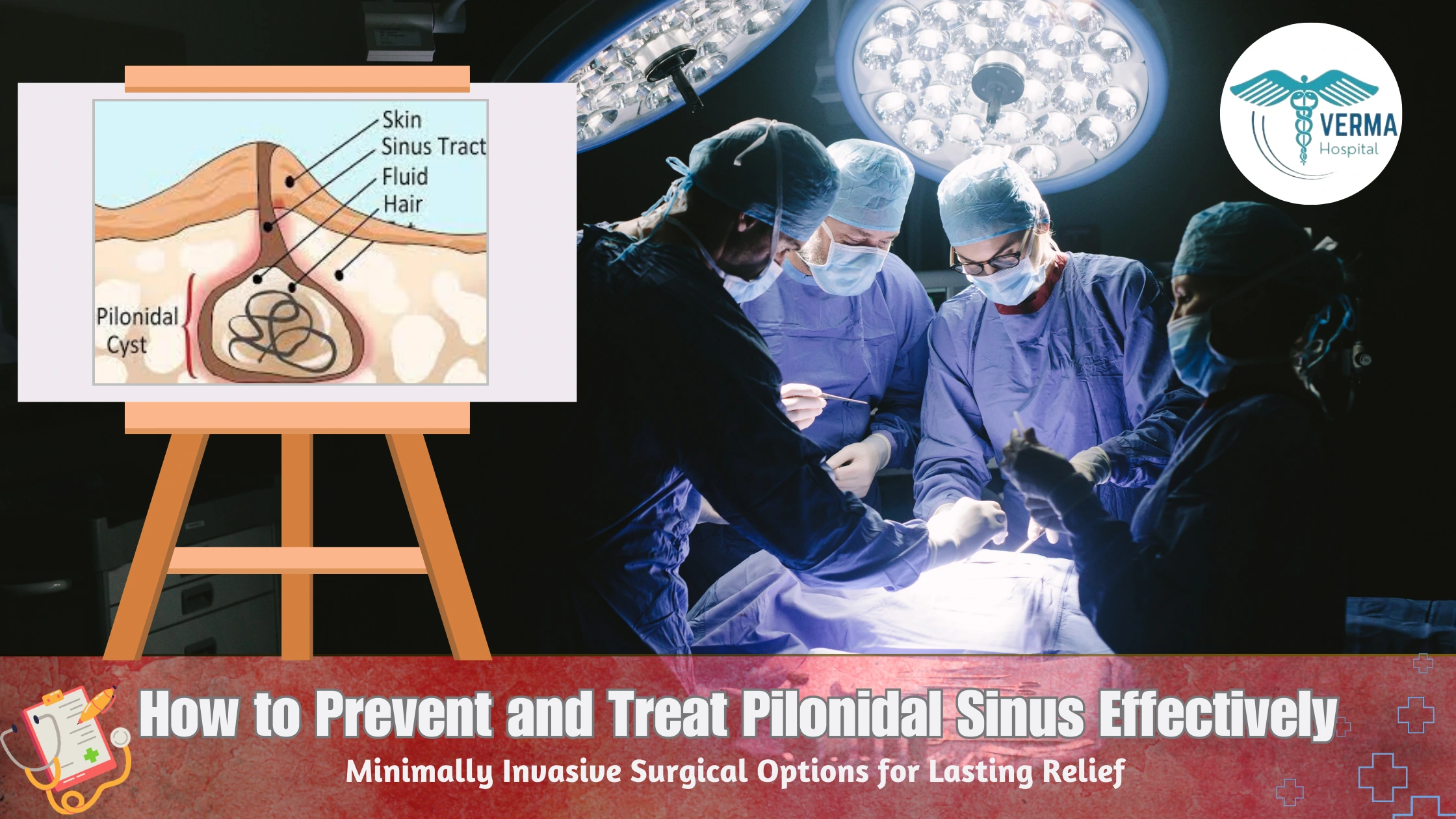
Pilonidal Sinus: How to Identify, Manage, and Treat It Effectively
A pilonidal sinus is a small tunnel or cyst that forms at the top of the buttocks near the tailbone. It can become infected, leading to pain, swelling, and pus discharge. This condition is common among individuals who sit for prolonged periods, such as office workers and drivers. Understanding its symptoms, risk factors, and available treatments is crucial for effective management.
Symptoms of Pilonidal Sinus
- Pain and swelling in the lower back or near the tailbone
- Redness and tenderness around the affected area
- Pus or blood drainage from the sinus opening
- Foul odor due to infection
- Fever in severe cases
Risk Factors for Pilonidal Sinus
Several factors increase the risk of developing a pilonidal sinus, including:
- Prolonged sitting: Sedentary lifestyles can lead to pressure buildup in the tailbone area.
- Excessive hair growth: Ingrown hairs can contribute to cyst formation.
- Poor hygiene: Lack of cleanliness can increase the risk of infection.
- Obesity: Extra weight can put additional pressure on the tailbone region.
- Genetic predisposition: Family history may play a role in its development.
How to Manage Pilonidal Sinus
- Maintain good hygiene: Regularly clean the affected area to prevent infection.
- Avoid prolonged sitting: Take breaks and move around to reduce pressure on the tailbone.
- Remove excess hair: Regular hair removal can help prevent ingrown hairs.
- Use warm compresses: This can reduce pain and swelling in early stages.
Advanced Treatment Options
If the condition worsens, medical intervention is necessary. Modern treatment methods include:
- Antibiotics: To control infection in mild cases.
- Incision and drainage: A minor surgical procedure to remove pus and debris.
- Laser treatment: A highly effective, minimally invasive solution for chronic cases.
- Surgical removal: For recurrent or severe cases, complete removal of the sinus may be required.
Conclusion
Pilonidal sinus is a common yet often overlooked condition that can cause significant discomfort if left untreated. Early identification and proper management, including maintaining hygiene and avoiding prolonged sitting, can help prevent complications. However, for persistent or severe cases, advanced treatments like laser surgery or surgical removal provide effective and lasting solutions.
If you are experiencing symptoms of pilonidal sinus, seeking timely medical attention is essential. At Verma Hospital, Mathura, our expert surgeons provide advanced and minimally invasive treatments to ensure quick recovery and lasting relief. Book an appointment today and take the first step toward a pain-free life.